
Best Phone Plans in Utah for Your Budget: Affordable Business Phone Systems and VoIP Solutions
Finding the most cost-effective phone plan in Utah can transform communication, reduce overhead, and support remote teams. Small and mid-sized businesses need scalable solutions that deliver crystal-clear voice quality, advanced call management, and flexible deployment. This guide explores top phone systems in Utah, compares traditional lines to VoIP, highlights Connect Call’s budget-friendly offerings, examines emerging market trends, and concludes with actionable recommendations for securing the best business phone plan in Utah.
What Are the Best Business Phone Systems Available in Utah?
Modern Utah businesses benefit from a range of phone solutions, from established analog lines to cloud-native VoIP platforms. Assessing technology, cost, and feature sets ensures an optimal choice for each company’s size and growth trajectory. Below we explore how traditional and internet-based systems align with local business needs.
How Do Traditional Phone Systems Compare to Modern VoIP Solutions?
Traditional phone systems rely on the Public Switched Telephone Network (PSTN), while Voice over Internet Protocol (VoIP) uses internet connectivity for voice and multimedia. The following comparison clarifies differences in cost structure, feature availability, and deployment flexibility.
PSTN charging scales linearly with each additional line, whereas VoIP subscription bundles improve predictability and lower per-seat costs. This contrast sets the stage for evaluating essential phone plan features in Utah businesses.
What Key Features Should Utah Businesses Look for in Phone Plans?

Utah companies must balance affordability with functionality. The critical attributes to prioritize include:
- Auto Attendant and Interactive Voice Response for professional call routing.
- Mobile Integration that extends call handling to smartphones and tablets.
- Voicemail-to-Email Transcription to streamline message management.
- Scalability options allowing seat additions without hardware upgrades.
- Redundancy and Uptime Guarantees to maintain uninterrupted service.
These features foster efficient communication workflows and support growth, preparing businesses for the shift to cloud-based systems.
Why Is VoIP the Preferred Choice for Small and Mid-sized Businesses in Utah?
VoIP lowers monthly expenses by consolidating voice and data services on existing internet connections. It promotes remote collaboration through softphone apps and web conferencing while enabling integration with CRM and helpdesk platforms. This adaptability aligns with Utah’s hybrid work trend, where cloud phone systems boost productivity and reduce capital expenditures.
Evolution Tech Support, VoIP & Business Phone Service in UTAH (2025)
VoIP Solutions for Businesses in Utah
VoIP (Voice over Internet Protocol) offers businesses in Utah a cost-effective communication solution by utilizing existing internet connections for voice and data services, which promotes remote collaboration and integrates with CRM and helpdesk platforms. This adaptability aligns with Utah’s hybrid work trend, where cloud phone systems boost productivity and reduce capital expenditures.
How Does Connect Call Provide Cost-Effective Business VoIP Services in Utah?
What Are the Main Benefits of Connect Call’s VoIP Solutions for Utah Businesses?
- Predictable monthly billing without per-minute surcharges.
- Nationwide coverage with local Utah numbers.
- Integrated video conferencing and team messaging.
- Instant seat provisioning and pay-as-you-grow scalability.
- Support for remote and on-site teams via mobile and desktop clients.
Which Features Are Included in Connect Call’s Hosted PBX Systems?
- Interactive Voice Response (IVR) and auto attendant menus.
- Hunt groups, call queues, and ring-all distribution.
- Voicemail to email and centralized voicemail storage.
- Call analytics dashboard with real-time usage reporting.
- Mobile-app integration for on-the-go connectivity.
- and over 75 more features included.
How Can SIP Trunking Optimize Existing PBX Systems for Utah Companies?
SIP trunking adapts legacy PBX hardware to internet voice transport, reducing per-call fees and leveraging unused data capacity.
Key use cases include:
- Migrating select sites to VoIP while maintaining core infrastructure.
- Scaling office lines instantly without new physical circuits.
- Consolidating multi-site telecom budgets under a single provider.
How Do Different Phone Plans Compare for Utah Businesses on a Budget?
What Makes Connect Call’s Phone Plans Affordable and Valuable for Utah SMBs?
- Offering tiered packages optimized for seat count and call volume.
- Including essential features—auto attendant, call forwarding, conferencing—at no extra charge.
- Providing volume discounts for multi-site deployments.
- Delivering responsive Utah-based support and fast issue resolution.
Which Essential Features Should Small and Mid-sized Businesses Prioritize?
When evaluating phone plans on a budget, Utah businesses should emphasize:
- Auto Attendant to project a professional image without staffing costs.
- Call Forwarding and Hunt Groups to reduce missed connections.
- Mobile and Softphone Apps for remote and hybrid workforce support.
- Basic Analytics to monitor usage trends and control spending.
- Emergency Call Routing to maintain compliance and safety.
How Does Hosted PBX Compare to On-Premise PBX for Utah Businesses?
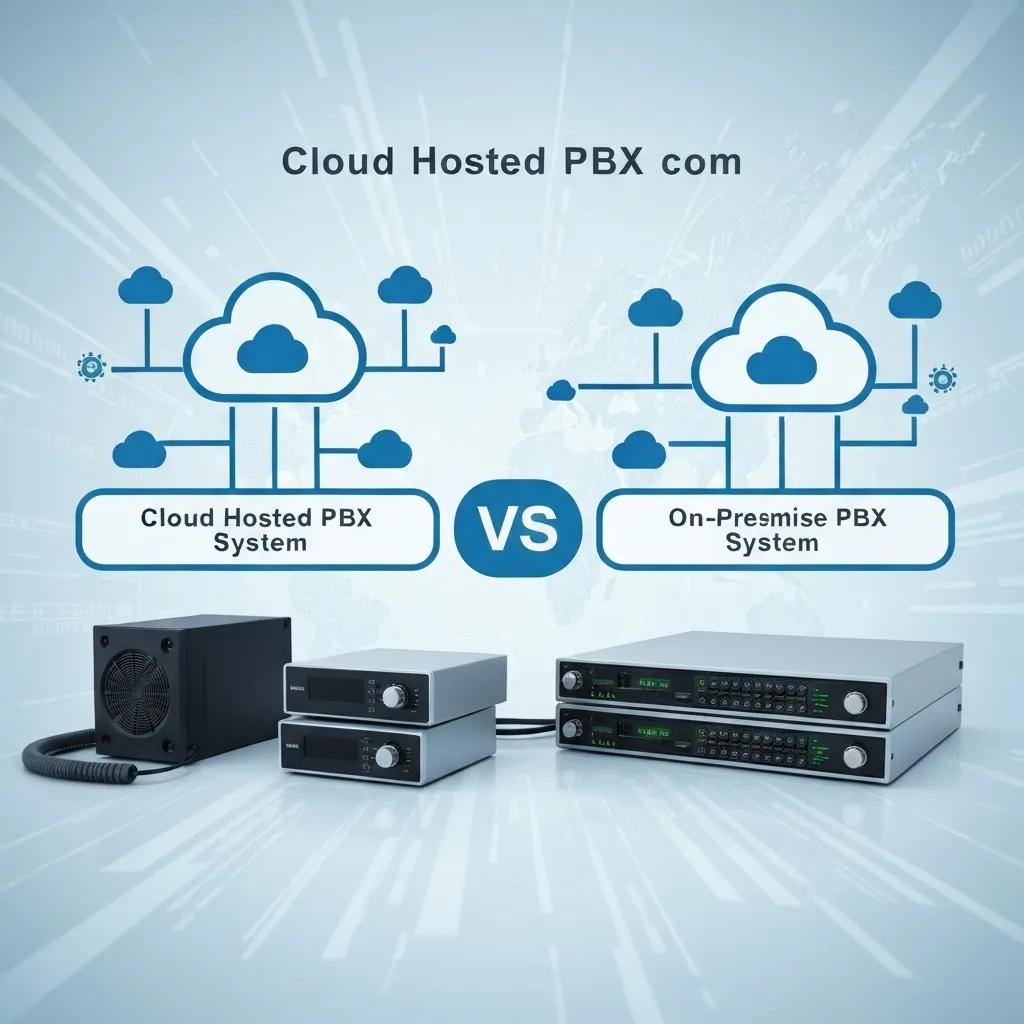
Kinect Communications, Cloud Hosted PBX vs. On-Premise PBX: Which is Right for You? (2024)
Cloud-Hosted PBX vs. On-Premise PBX
Cloud-hosted PBX systems offer lower upfront costs due to the lack of hardware purchases, and the provider handles all maintenance, updates, and security. On-premise PBX systems require a higher initial investment and ongoing maintenance responsibilities.
Cloud-hosted PBX shifts maintenance obligations to Connect Call and enables rapid expansion without new hardware purchases.
What Are the Latest Trends and Market Insights for Business Phone Systems in Utah?
How Is Utah’s Growing Tech Industry Influencing Business Communication Needs?
As Silicon Slopes companies expand, demand rises for unified communications that integrate voice, video, and collaboration tools. Tech-savvy teams expect cloud-native platforms that support API connectivity, real-time analytics, and global mobility—capabilities that traditional phone lines cannot deliver.
What Are the Current Telecom Market Statistics Relevant to Utah Businesses?
- Annual industry expansion of 3.2% from 2020 to 2025.
- Market valuation reaching $4.0 billion in 2025.
- Technology sector driving 10% of the state’s GDP with $22.5 billion impact.
- Projected 33% increase in tech occupations by 2034.
IBISWorld, Wireless Telecommunications Carriers in Utah – Market Research Report (2025)
Utah’s Tech Industry Growth
Utah’s tech industry is experiencing robust growth, with the market size of the Wireless Telecommunications Carriers industry in Utah reaching $4.0 billion in 2025. The technology sector is driving 10% of the state’s GDP with a $22.5 billion impact.
How Are Utah Businesses Benefiting from Unified Communications and Cloud Phone Systems?
- Seamless team collaboration across offices and remote locations.
- Centralized management of voice, video, and messaging services.
- Reduced telecom overhead through consolidated subscriptions.
- Enhanced customer experience via real-time call routing and click-to-call integrations.
Why Should Utah Businesses Choose Connect Call for Their Phone Plan Needs?
How Does Connect Call Provide Local Expertise and Dedicated Support in Utah?
Connect Call maintains a regional support center staffed by technicians familiar with Utah’s network infrastructure and business environment. This localized approach ensures fast response times, tailored configuration guidance, and ongoing optimization aligned with state-specific requirements.
What Is the Process for Seamless Migration to Connect Call’s Phone Systems?
- Assessment of Existing Infrastructure to map current lines and devices.
- Customized Configuration Plan aligning features with business workflows.
- Parallel Testing Phase to validate call quality and failover scenarios.
- Cut-Over Execution scheduled during off-peak hours for minimal disruption.
- Post-Migration Support including training and 24/7 help desk access.
What Success Stories Demonstrate Connect Call’s Impact on Utah Businesses?
Several Utah companies report measurable benefits after switching:
- A Salt Lake City law firm reduced telecom expenses by 40% while improving call reachability.
- A Provo-based startup accelerated global client collaboration through integrated video conferencing.
- An Ogden-area retailer streamlined multi-location management with centralized call analytics and IVR.
What Are the Most Common Questions About Business Phone Plans in Utah?
Utah businesses frequently evaluate factors such as system suitability, total cost, service reliability, and technical prerequisites before selecting a phone plan. Addressing these topics clarifies decision-making and accelerates procurement.
What Is the Best Business Phone System in Utah for Small Businesses?
The ideal solution combines budget-friendly pricing, essential features like auto attendant and mobile apps, and local support. Hosted VoIP platforms with modular seat plans often represent the best fit for small Utah enterprises seeking rapid setup and predictable costs.
How Much Does Business VoIP Cost in Utah?
Entry-level VoIP plans in Utah start at approximately $25 per user per month, including core calling features and voicemail. Mid-tier bundles with conferencing, messaging, and analytics range from $30 to $40 per user, while fully featured UCaaS suites may reach $50–$60 per user.
Which VoIP Provider Offers the Best Call Quality in Utah?
Providers with direct peering to regional data centers and quality-of-service (QoS) controls deliver the most consistent call clarity. Cloud operators that prioritize redundant network paths and jitter management typically achieve industry-leading voice performance in Utah.
What Are the Benefits of Hosted PBX for Small Businesses in Utah?
Hosted PBX delivers advanced call routing, reduced hardware dependency, and automatic updates. Small Utah companies gain access to enterprise-grade features—such as call queues, mobile-app extension, and unified messaging—without capital investment or dedicated IT staff.
Do Utah Businesses Need Special Internet Connections for VoIP?
Standard business-class broadband with symmetrical speeds and Service Level Agreements (SLAs) supports reliable VoIP deployment. For mission-critical scenarios, dedicated fiber or fixed wireless links with QoS tagging ensure uninterrupted voice and video quality.
Cloud-native VoIP and hosted PBX solutions deliver transformative value for Utah businesses by reducing costs, enhancing collaboration, and adapting to evolving work models. Connect Call’s tailored packages, local support, and proven track record empower organizations to secure the best phone plan for their budget and growth objectives. Explore a consultation with Connect Call to optimize your Utah business communications today.
Frequently Asked Questions
What should I consider when choosing a phone plan for my business in Utah?
When selecting a phone plan, consider factors such as your business size, expected call volume, and specific communication needs. Evaluate the features offered, such as auto attendant, call forwarding, and mobile integration. Additionally, assess the cost structure—whether it’s subscription-based or per-line fees—and the level of customer support provided. Understanding your current and future needs will help you choose a plan that supports your business growth while staying within budget.
How can I ensure my VoIP system is secure?
To secure your VoIP system, implement strong passwords and regularly update them. Use encryption protocols like SRTP (Secure Real-Time Transport Protocol) for voice data and TLS (Transport Layer Security) for signaling. Regularly update your VoIP software to patch vulnerabilities and consider using a Virtual Private Network (VPN) for remote access. Additionally, monitor your network for unusual activity and consider employing firewalls specifically designed for VoIP traffic to enhance security.
What are the advantages of using a cloud-hosted PBX over an on-premise system?
Cloud-hosted PBX systems offer several advantages, including lower upfront costs since there’s no need for physical hardware. They provide automatic updates and maintenance managed by the service provider, reducing the burden on your IT team. Scalability is also easier, allowing businesses to add or remove lines as needed without significant investment. Additionally, cloud systems typically offer enhanced features like remote access and integrated communication tools, which are essential for modern business operations.
How can I improve call quality with my VoIP service?
To enhance call quality, ensure you have a reliable internet connection with sufficient bandwidth. Prioritize your VoIP traffic using Quality of Service (QoS) settings on your router to minimize latency and jitter. Regularly check for network congestion and consider using wired connections instead of Wi-Fi for critical devices. Additionally, work with your VoIP provider to optimize settings and troubleshoot any persistent issues that may affect call clarity.
What is the typical setup time for a VoIP system?
The setup time for a VoIP system can vary based on the complexity of your needs and the provider’s processes. Generally, a basic installation can take anywhere from a few hours to a couple of days. This includes assessing your current infrastructure, configuring the system, and testing for quality assurance. More complex setups, especially those involving multiple locations or advanced features, may require additional time for thorough testing and training of staff.
Are there any hidden fees associated with VoIP services?
While VoIP services often advertise low monthly rates, it’s essential to review the contract for potential hidden fees. Common additional charges may include setup fees, equipment rental costs, and charges for exceeding call limits or using premium features. Some providers may also impose fees for customer support or early termination. Always read the fine print and ask your provider for a detailed breakdown of all potential costs before signing up.
Can I keep my existing phone numbers when switching to a new provider?
Yes, most VoIP providers allow you to port your existing phone numbers when switching services. This process typically involves submitting a porting request to your new provider, who will handle the transfer with your current carrier. Ensure that your existing account is active and that you have all necessary account information ready. The porting process can take anywhere from a few hours to several days, depending on the providers involved.